
When exploring advanced woodworking and modern interior solutions, you will frequently encounter engineered timber options designed to maximize material efficiency. Finger jointed wood has rapidly become a popular choice among architects, builders, and homeowners seeking both structural reliability and design versatility. Understanding how this specialized engineered lumber is manufactured and where it excels can help you make informed decisions for your upcoming residential or commercial projects.
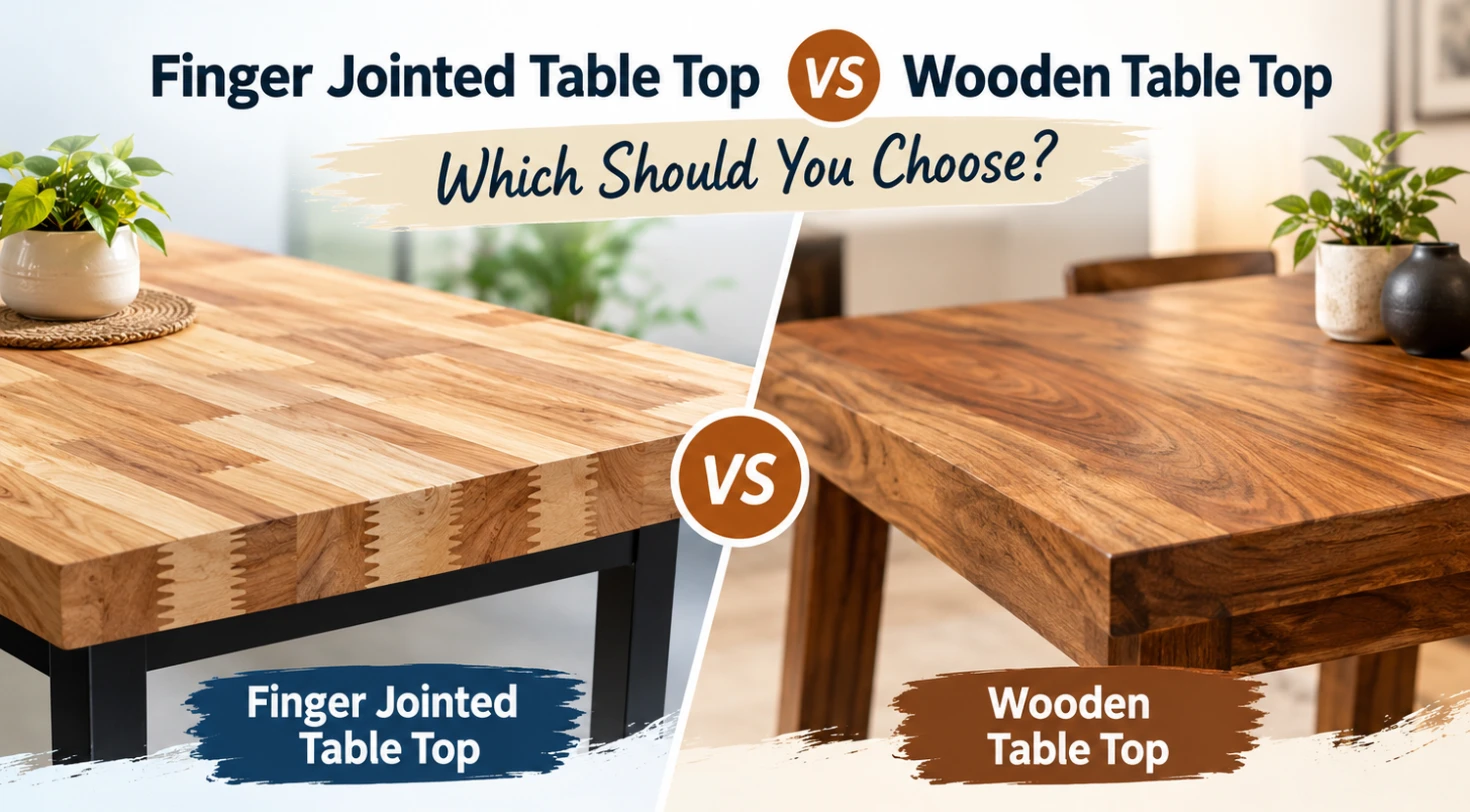
Finger jointed wood—often referred to as comb-jointed lumber is an engineered wood product created by precision-machining interlocking, finger-like profiles into the ends of shorter timber pieces. These interlocking segments are then bonded together using high-strength, waterproof structural adhesives under intense hydraulic pressure. This ingenious manufacturing technique transforms smaller, high-quality timber remnants into continuous, uniform boards of virtually any desired length, eliminating the natural length limitations of raw lumber while optimizing every piece of harvested wood.
The primary benefit of finger jointed wood lies in its exceptional structural stability, dimensional consistency, and eco-friendly profile. Because the timber is assembled from smaller, stress-relieved sections, it is significantly less prone to the natural warping, twisting, bowing, or cupping commonly seen in long, solid lumber pieces. Additionally, this manufacturing method reduces timber waste significantly, making it a sustainable and cost-effective alternative for structural framing, decorative moldings, and custom architectural elements without sacrificing aesthetic appeal or durability.
The applications of finger jointed timber span a wide array of interior and architectural uses where stability is paramount. It is extensively utilized for manufacturing door and window frames (chaukhats), stair components, skirting boards, interior paneling, and core substrates for high-end veneered furniture. Because it maintains a straight, true line even under changing humidity conditions, it ensures precise, gap-free installations that stand the test of time, making it a smart addition to any modern construction project.