Choosing the perfect table top for your dining area, workspace, or living room requires balancing long-term durability, structural stability, and visual elegance. While traditional solid wooden table tops have long been prized for their classic, continuous grain patterns, engineered finger jointed table tops have emerged as a highly practical and modern alternative. Understanding the key differences in construction, stability, and aesthetic character will help you select the ideal surface for your specific needs.
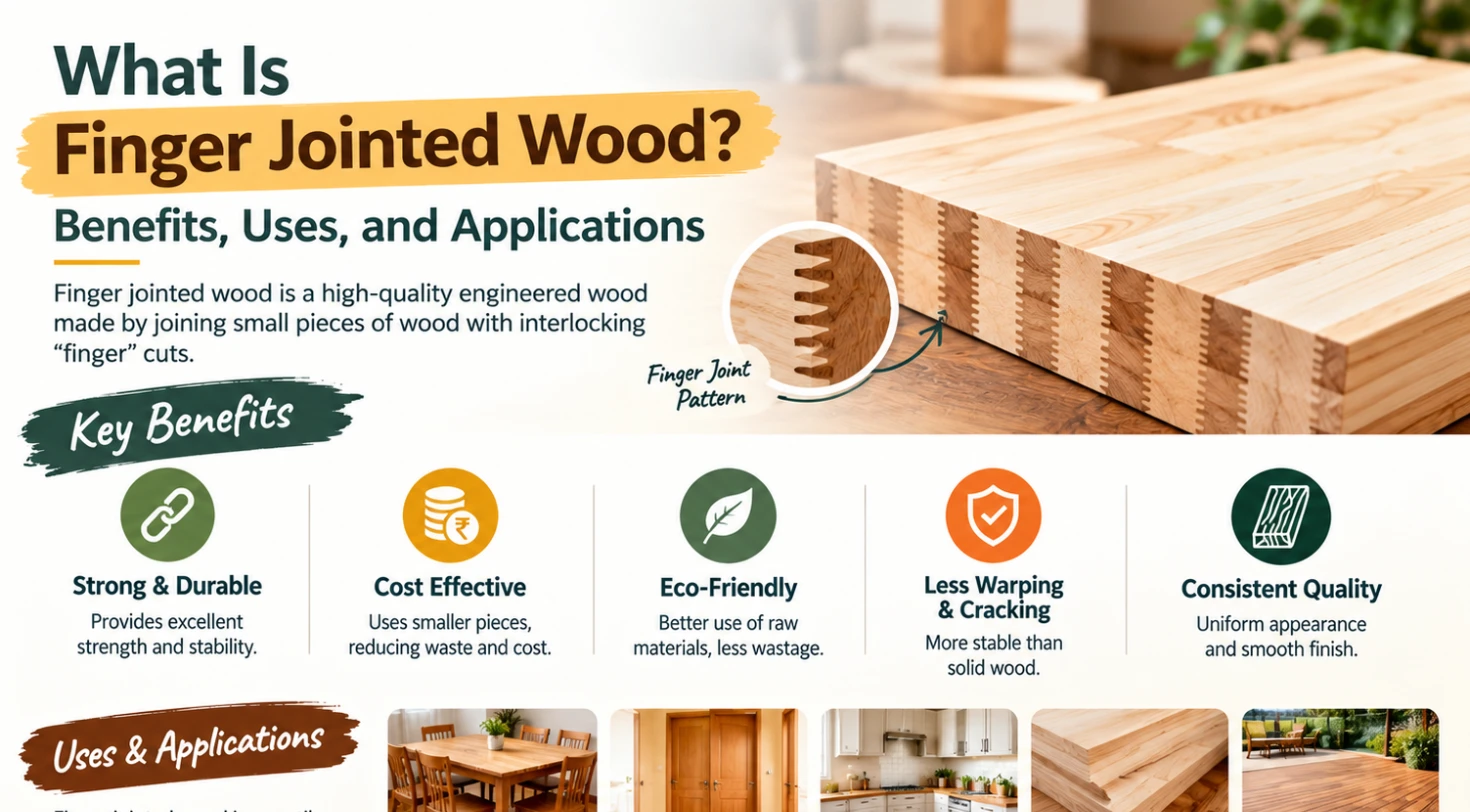
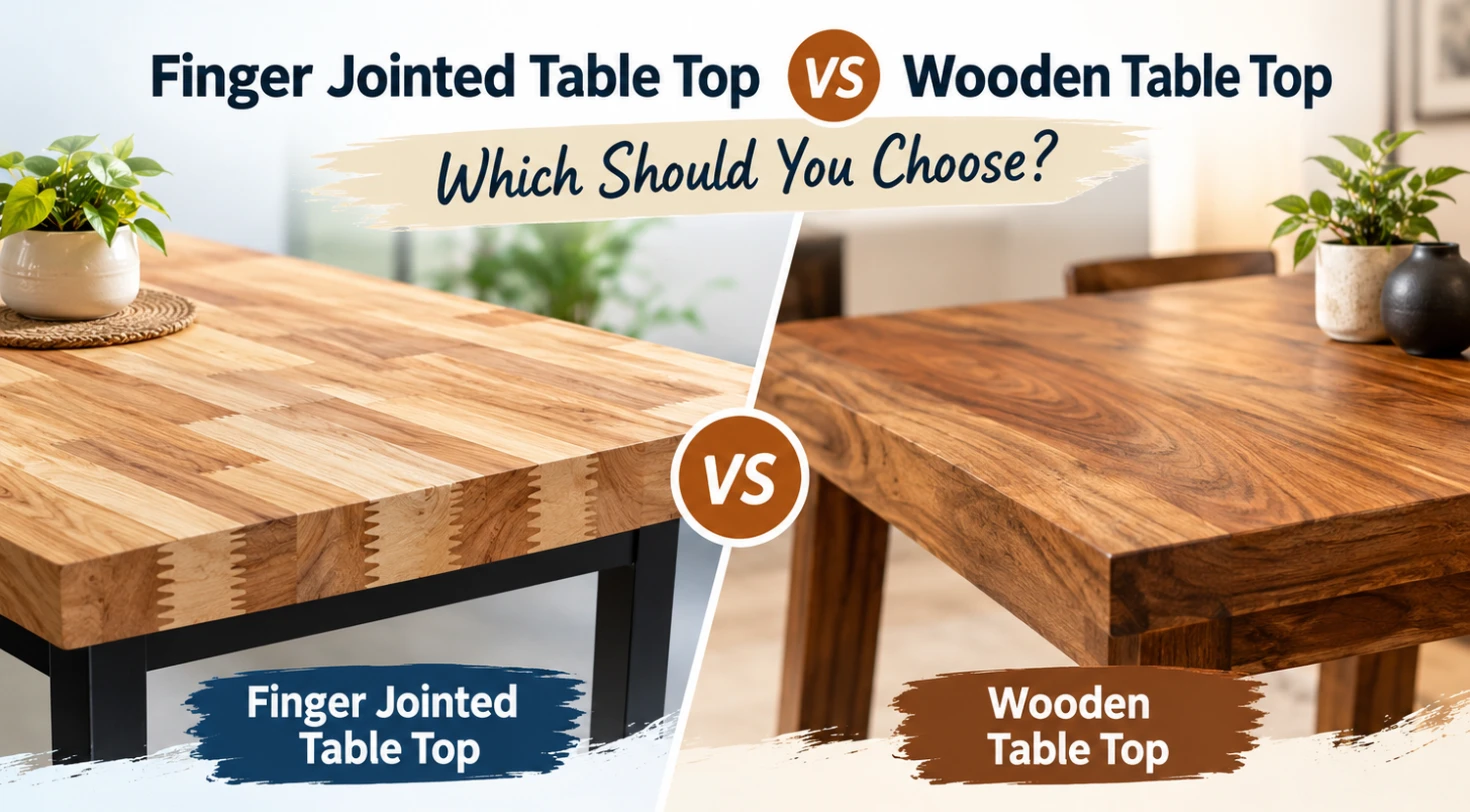
Finger jointed table tops are crafted by joining smaller, high-quality timber sections using precision-machined interlocking joints and high-strength adhesives. This multi-piece engineered design inherently neutralizes internal wood tensions, making finger jointed tops exceptionally resistant to warping, splitting, and cupping over time. In contrast, solid wooden table tops are made from wider, continuous planks of timber. While solid wood offers an unmatched, unbroken natural grain flow, wide solid planks are naturally more susceptible to expanding, contracting, and bowing when exposed to shifting room temperatures and ambient humidity levels.
From a design and economic perspective, both options present unique advantages. Finger jointed table tops showcase a striking, butcher-block-style mosaic pattern with rich variation in wood tones, adding a contemporary geometric texture to modern interiors. They are also highly eco-friendly and cost-effective, as they utilize premium timber remnants efficiently. On the other hand, a continuous solid wooden table top highlights grand, sweeping grain lines ideal for traditional, rustic, or heirloom furniture pieces, though it commands a significantly higher price tag and requires routine maintenance to protect against environmental movement.
Ultimately, your choice depends on your design aesthetic, usage environment, and budget. If you require a modern, highly stable, and budget-conscious surface for daily utility such as study desks, office workstations, or kitchen islands a finger jointed table top is an outstanding choice. If you prefer a timeless, single-plank natural appearance for a grand dining centerpiece and are willing to invest in premium timber care, a traditional solid wooden table top remains a classic favorite.